The holiday begins the moment the island comes into view.
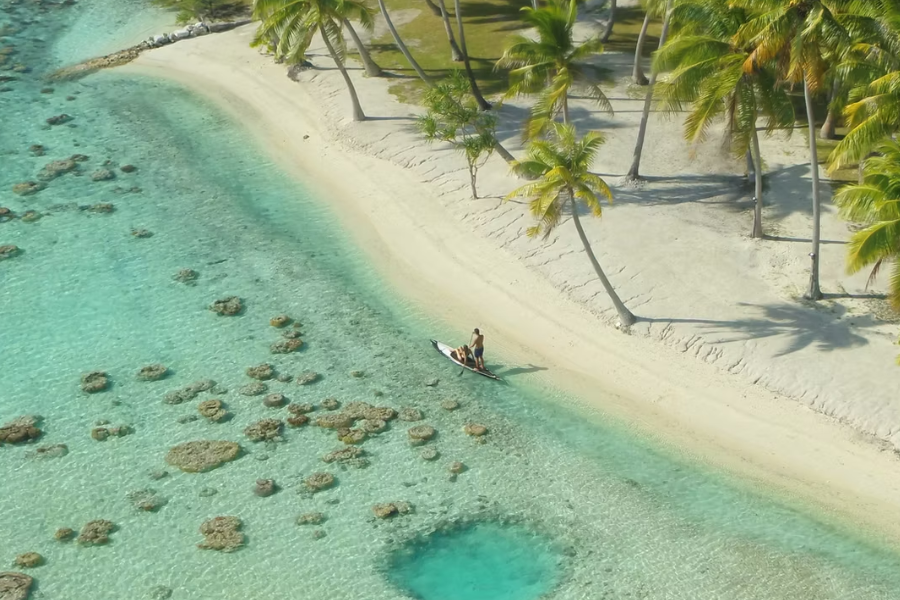
Part of what makes a private island special is that it is not easy to reach. There is no road, no ferry timetable, no crowd at the arrivals hall. Instead there is a final leg that belongs to you alone: a seaplane banking over the reef, a helicopter settling onto a lawn, a boat sliding into a lagoon the colour of glass.
That last stretch is often the first memory of the trip. Getting it right, without delays or confusion, sets the tone for everything that follows. Here is how guests usually arrive, and what to consider for each.
By air: private jet, airstrip and helicopter
For many guests, the journey starts with a private jet to the nearest international or regional airport. It removes the long connections and allows the whole group to travel together, on their own schedule, with the children asleep and the luggage already taken care of.
A small number of islands have their own airstrip. This is the most seamless arrival of all: a light aircraft or turboprop lands on the island itself, and you step off the plane and into the house. Airstrip islands are especially popular in the Bahamas, where many are within a short flight of Florida, and in remote parts of the Indian Ocean. Runway length decides which aircraft can land, so the final leg is often a smaller plane than the one that brought you across the ocean.
Where there is no runway, a helicopter can cover the final stretch. It is fast, it opens up remarkable views of the coastline and the reef, and it suits islands within easy range of a mainland airport. Many islands have a dedicated landing pad, and transfers are timed to meet your arrival.
By seaplane
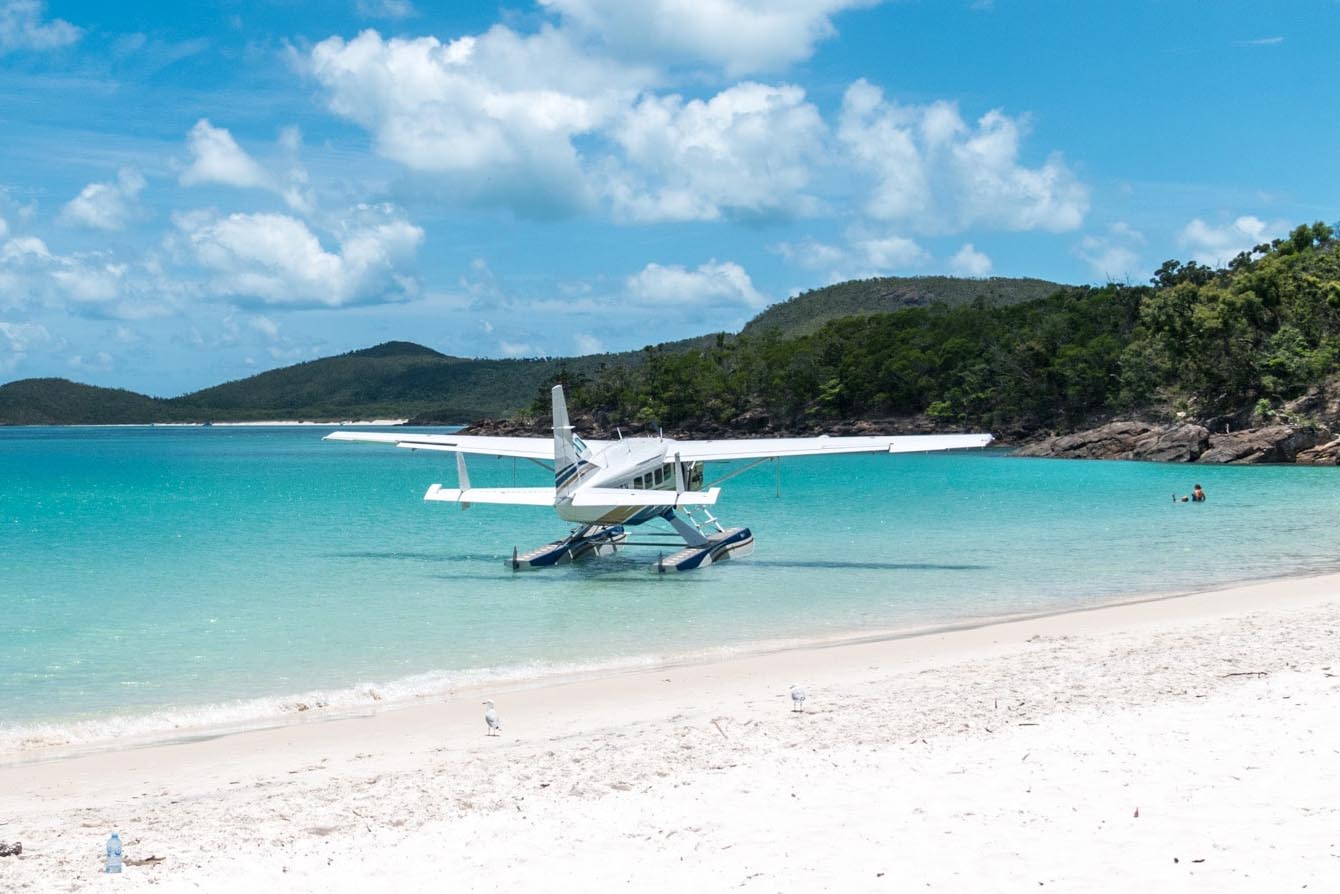
Few arrivals match the seaplane. In the Maldives it is the classic way to reach the outer atolls: a low flight over a scattering of reefs and sandbanks, then a gentle landing on the lagoon and a short step onto a floating platform or jetty. Seaplanes also serve islands in the Bahamas and elsewhere where there is no runway but plenty of sheltered water.
Because seaplanes fly by sight, they generally operate during daylight hours only. International flights that land late in the evening may mean a night near the airport before the final leg the following morning. Planning the timings carefully avoids that extra night, or turns it into a pleasant pause rather than a delay.
By sea
Many islands are reached by boat, and for some guests this is the most natural arrival of all. A private speedboat from the mainland or a neighbouring island can take anything from a few minutes to an hour or more, depending on the distance and the sea.
For a more memorable approach, some guests arrive by yacht. A few days at sea before reaching the island, anchoring in quiet bays along the way, turns the journey into part of the holiday. The yacht can stay nearby for the week, ready for diving trips, picnics on neighbouring beaches or a day exploring the coast.
A few practical points
- Luggage: Light aircraft, helicopters and seaplanes often have weight and size limits, and soft bags travel more easily than hard cases. Anything extra can usually follow by boat.
- Timings: Allow a comfortable margin between your international arrival and the final transfer, especially for seaplanes that fly in daylight only.
- Weather: Strong winds or rough seas can occasionally delay a transfer. A good island team will have a plan B, whether a later flight, an alternative route or a comfortable place to wait.
- Formalities: Some islands sit in a different jurisdiction from the nearest airport. Check passports, visas and any arrival paperwork well before you travel.
One journey, arranged as one
The smoothest arrivals happen when every leg is arranged together: the jet, the transfer, the welcome and the first evening on the island. Working with our partners in aviation and yachting, we can coordinate the whole journey, so the only decision left on arrival is whether to swim before or after lunch.
Tell us where you are travelling from and how you would like to arrive. We will take care of the rest.
The island will still be there when you land. It simply looks better from above.